A cover letter is a formal document that job applicants submit along with their resume when applying for a job. It serves as an introduction to the employer and provides an opportunity to explain why you are the best candidate for the position. In contrast to a resume, which focuses on listing qualifications, skills, and experiences in a structured format, a cover letter allows you to communicate your personality, motivation, and enthusiasm for the role. It is typically addressed to the hiring manager or recruiter and tailored to a specific job opening.
A well-crafted cover letter includes a brief introduction, a body section that highlights relevant skills and achievements, and a closing paragraph that expresses interest in further discussion. In 2026, cover letters continue to play an essential role despite the rise of automated hiring systems, as they provide context that resumes often lack. Employers use cover letters to evaluate communication skills, attention to detail, and genuine interest in the company. Therefore, understanding what a cover letter is and how it functions is the first step toward creating a strong application that stands out in a crowded job market.
Importance of a Cover Letter in 2026
In 2026, the job application process has become more competitive and technology-driven than ever before, making a cover letter an essential component of your application. While many companies use Applicant Tracking Systems (ATS) to filter resumes, a well-written cover letter can help provide additional context that automated systems may not capture. It allows you to explain career transitions, highlight specific achievements, and demonstrate how your skills align with the company’s goals. Employers are not just looking for qualified candidates they are looking for individuals who show genuine interest and understanding of their organization.
A cover letter gives you the chance to personalize your application and address the hiring manager directly, which can make a strong impression. Additionally, in remote and global hiring environments, communication skills have become more important, and a cover letter is a direct reflection of your ability to express ideas clearly and professionally. Even when a job posting does not explicitly require a cover letter, submitting one can set you apart from other applicants who skip this step. Overall, a cover letter remains a powerful tool that can significantly increase your chances of securing an interview in today’s evolving job market.
Free Cover Letter Templates
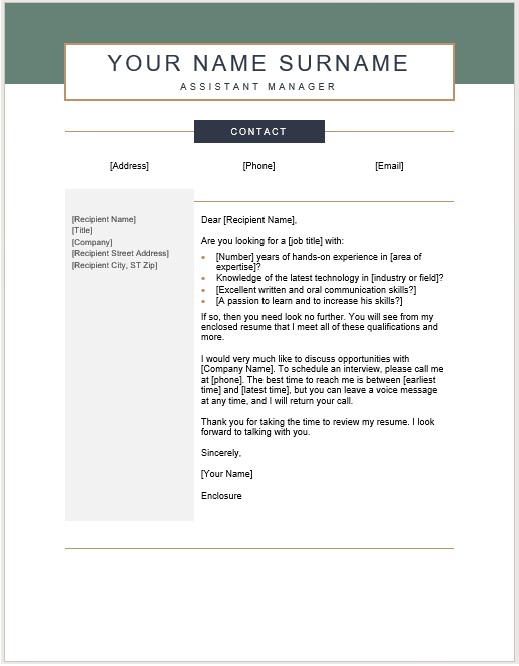

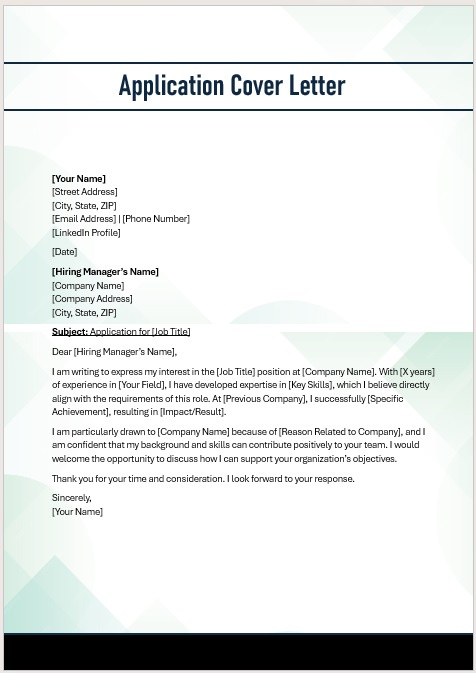
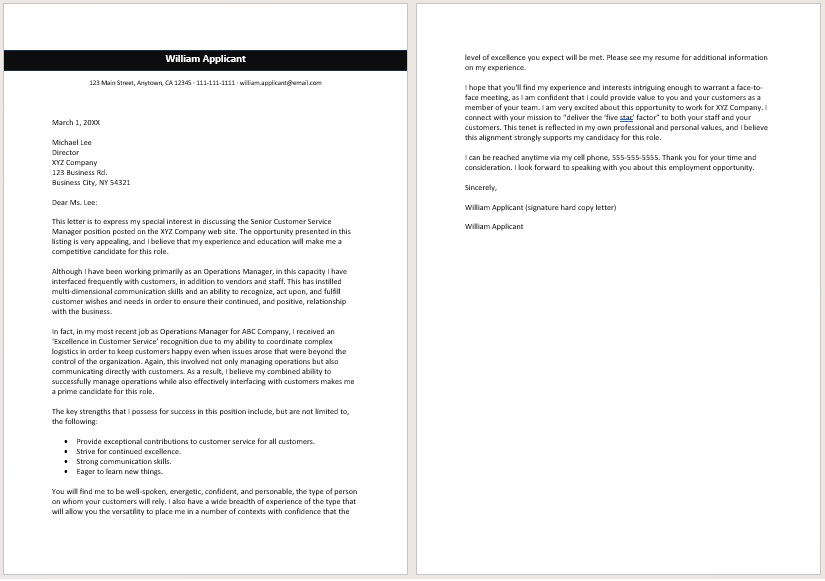
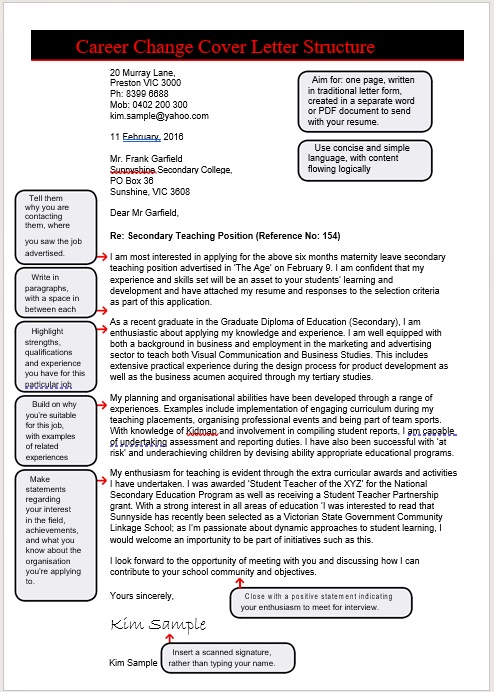
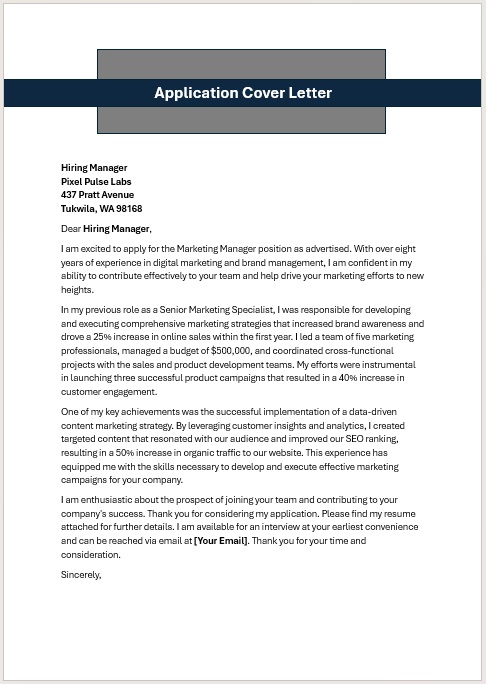
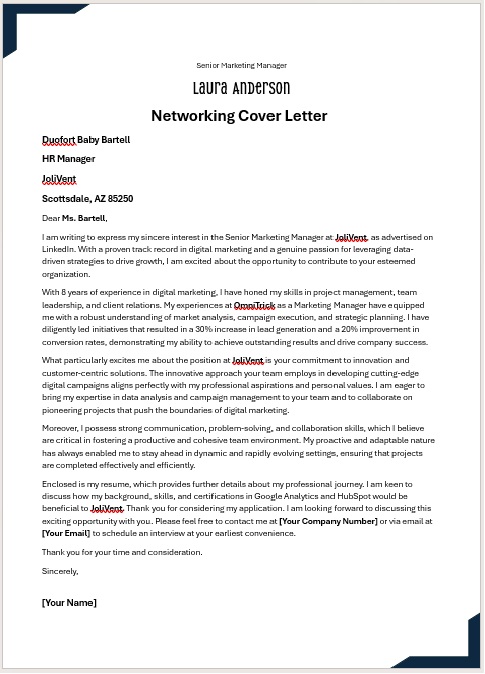
Cover letter templates are pre-designed formats that help job seekers create professional and structured cover letters quickly and efficiently. These templates provide a clear layout, including sections for the introduction, body paragraphs, and closing statement, making it easier to organize your thoughts and present your qualifications effectively. There are different types of cover letter templates available, such as professional templates for corporate roles, creative templates for design-related jobs, and simple templates for entry-level positions. Using a template does not mean sending a generic letter; instead, it serves as a foundation that you can customize according to the job requirements and your personal experience.
In 2026, many job seekers prefer templates because they save time and ensure consistency across multiple applications. Additionally, templates are designed to be compatible with Applicant Tracking Systems, which increases the chances of your application being successfully processed. When choosing a cover letter template, it is important to select one that matches the industry and role you are applying for. A well-structured template not only improves readability but also helps you maintain a professional tone throughout the document, making a positive impression on potential employers.
Write a Professional Cover Letter
Writing a cover letter may seem challenging at first, but following a clear structure can make the process much easier and more effective. A strong cover letter typically begins with a professional header that includes your contact information and the employer’s details, followed by a formal greeting. The opening paragraph should grab the reader’s attention by stating the position you are applying for and briefly explaining why you are interested in the role. The body paragraphs should focus on your relevant skills, experiences, and achievements, providing specific examples that demonstrate your suitability for the position.
It is important to align your qualifications with the job requirements and show how you can add value to the company. The closing paragraph should express enthusiasm for the opportunity and include a call to action, such as requesting an interview or further discussion. In 2026, clarity and conciseness are key, as recruiters often spend only a few seconds reviewing each application. Therefore, it is essential to keep your cover letter focused, well-organized, and free of unnecessary details. By following these steps, you can create a compelling cover letter that effectively communicates your strengths and increases your chances of success.
Tips to Make Your Cover Letter Stand Out
To make your cover letter stand out in a competitive job market, it is important to go beyond basic formatting and focus on delivering value to the employer. One of the most effective strategies is to customize your cover letter for each job application rather than using a generic version. Tailoring your content to match the job description shows that you have taken the time to understand the role and the company’s needs. Using strong action verbs and quantifiable achievements can also make a significant impact, as they provide clear evidence of your capabilities.
For example, instead of simply stating your responsibilities, highlight specific results you have achieved in previous roles. Additionally, maintaining a professional yet engaging tone can help capture the recruiter’s attention. Avoid overly complex language and focus on clarity and readability. Including keywords from the job description can also improve your chances of passing through Applicant Tracking Systems. Another important tip is to keep your cover letter concise, ideally within one page, while still covering all essential points. By implementing these strategies, you can create a cover letter that not only stands out but also leaves a lasting impression on potential employers.
Common Mistakes to Avoid
When writing a cover letter, avoiding common mistakes is just as important as including the right information. One of the most frequent errors is using a generic cover letter for multiple job applications without customization. Employers can easily recognize when a letter is not tailored to their specific role, which can reduce your chances of being considered. Another common mistake is making the cover letter too long or including irrelevant details that do not add value to your application. HR professionals typically have limited time, so it is important to keep your content concise and focused. Spelling and grammatical errors are also critical issues, as they create a negative impression and suggest a lack of attention to detail.
Failing to address the hiring manager properly or using an incorrect company name can further harm your credibility. Additionally, many applicants focus too much on themselves without explaining how they can benefit the company. A strong cover letter should balance personal achievements with the employer’s needs. By being mindful of these common mistakes and taking the time to review your cover letter carefully, you can significantly improve the quality of your application and increase your chances of success.